
TL;DR: Every AI you use stops learning when it ships. What it picks up in a chat lives in short-term memory and disappears, and training its weights on new things wipes out old skills. Google's sleep framework adds a sleep phase: the model unlocks a small block of new weights, freezes the old ones, teaches the new block what it learned that day, wipes its short-term memory, then writes its own practice examples and keeps only the ones that make it better. In Google's tests it kept two new languages learned one after the other, and answered 48.9% of questions about new articles, against 33.4% with normal training.
Why your AI stops learning
A language model keeps what it knows in billions of numbers called weights. They're set during training, and once the model is released they stop changing. Google describes deployed models as "largely static, operating with a fixed knowledge cutoff date".
What you teach it in a chat sits in its short-term memory: the conversation itself. When the session ends, that's gone, and the weights are exactly what they were before you started.

Why not just keep training it?
You could train the weights on everything new. The trouble is that new learning lands on the same numbers the old skills depend on. Researchers call it catastrophic forgetting: in Google's words, "learning new tasks severely degrades performance on previously learned ones".
What happens when the model sleeps
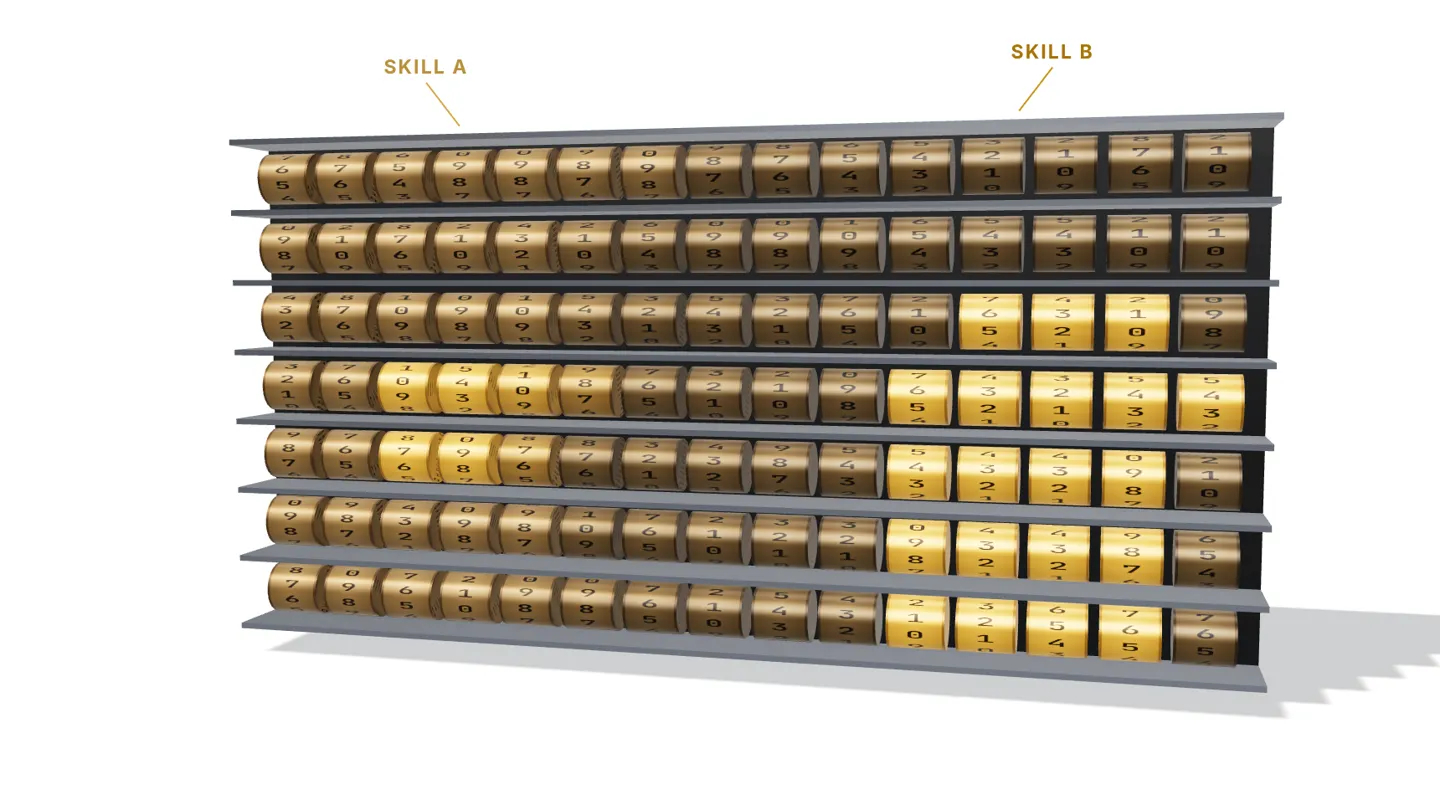
Google's model alternates between two phases. Awake, it reads and answers, and everything new piles up in fast short-term memory. Asleep, it takes nothing in and works on what it already has, in four steps:
- Unlock. A small block of fresh weights, set aside from the start and locked until now, is switched on inside long-term memory.
- Freeze. Every old weight is frozen, so nothing the model already knew can be overwritten.
- Quiz. The model, still holding the day's memories, writes out what it knows. The version with the new block gets the start of each line and has to finish it the same way, scored on meaning and on near-identical wording.
- Wipe. Once the new block has it, short-term memory is reset for the next day.

Then it dreams
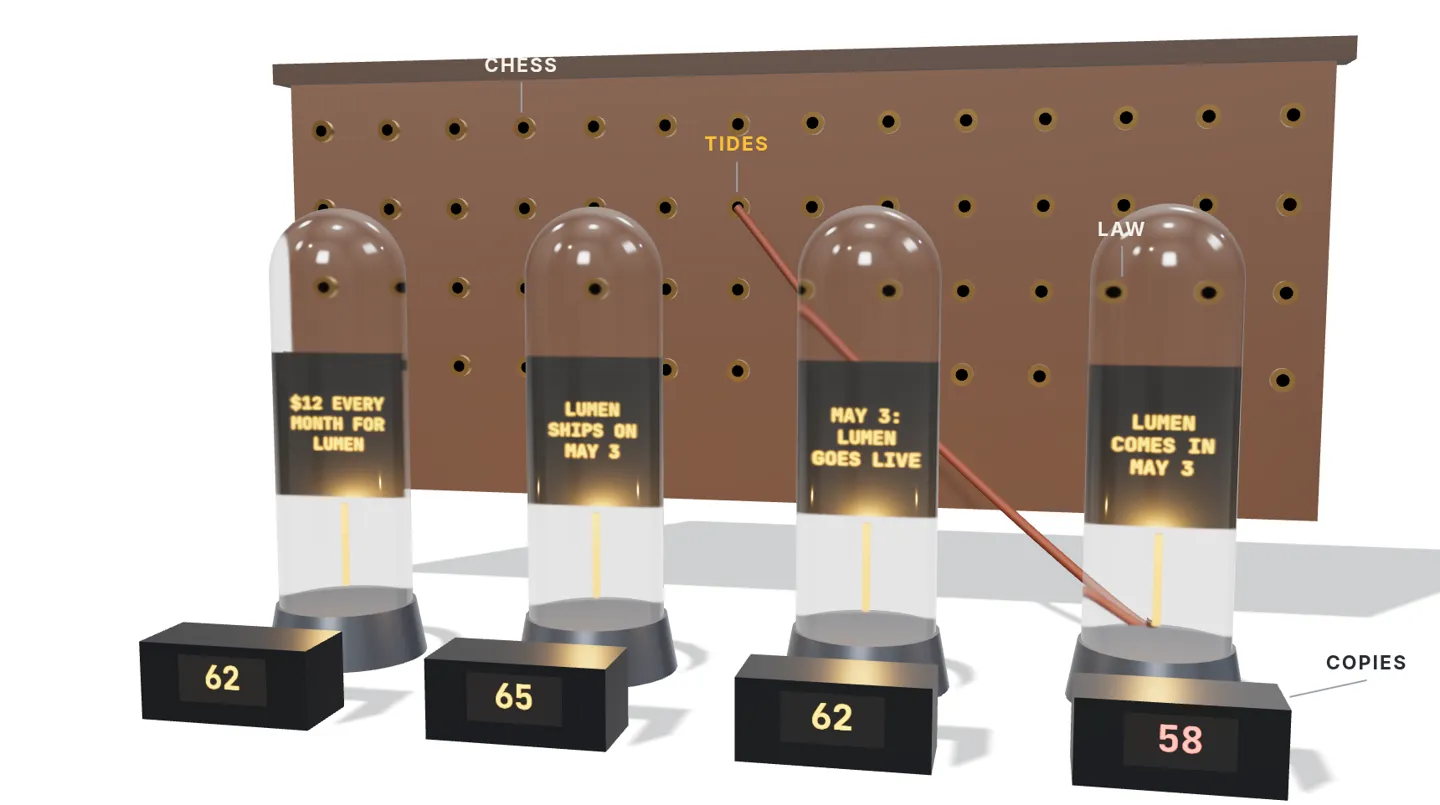
The second half of sleep is practice. The model writes its own training examples about what it just learned, which the paper calls dreams. While it writes, it switches on random parts of itself that have nothing to do with the topic, so unrelated knowledge gets mixed in.
Each dream is then tried on a separate copy of the model, fine-tuned on that one dream with LoRA. A dream is kept only if that copy scores higher afterwards. The rest are thrown away.
Did it work?
Two results from Google's tests. In the first, models learned two languages they had never seen in training, Manchu and Kalamang (spoken by fewer than 200 people), one after the other. A normal model relying on in-context learning lost more than half of its score. The sleeping model kept nearly all of both.
In the second, models studied new articles and were then asked about them with the articles taken away. Normal fine-tuning answered 33.4% correctly; with sleep, 48.9%. Take the dreaming out and it falls to 35.7%, so the dreams did most of the work.
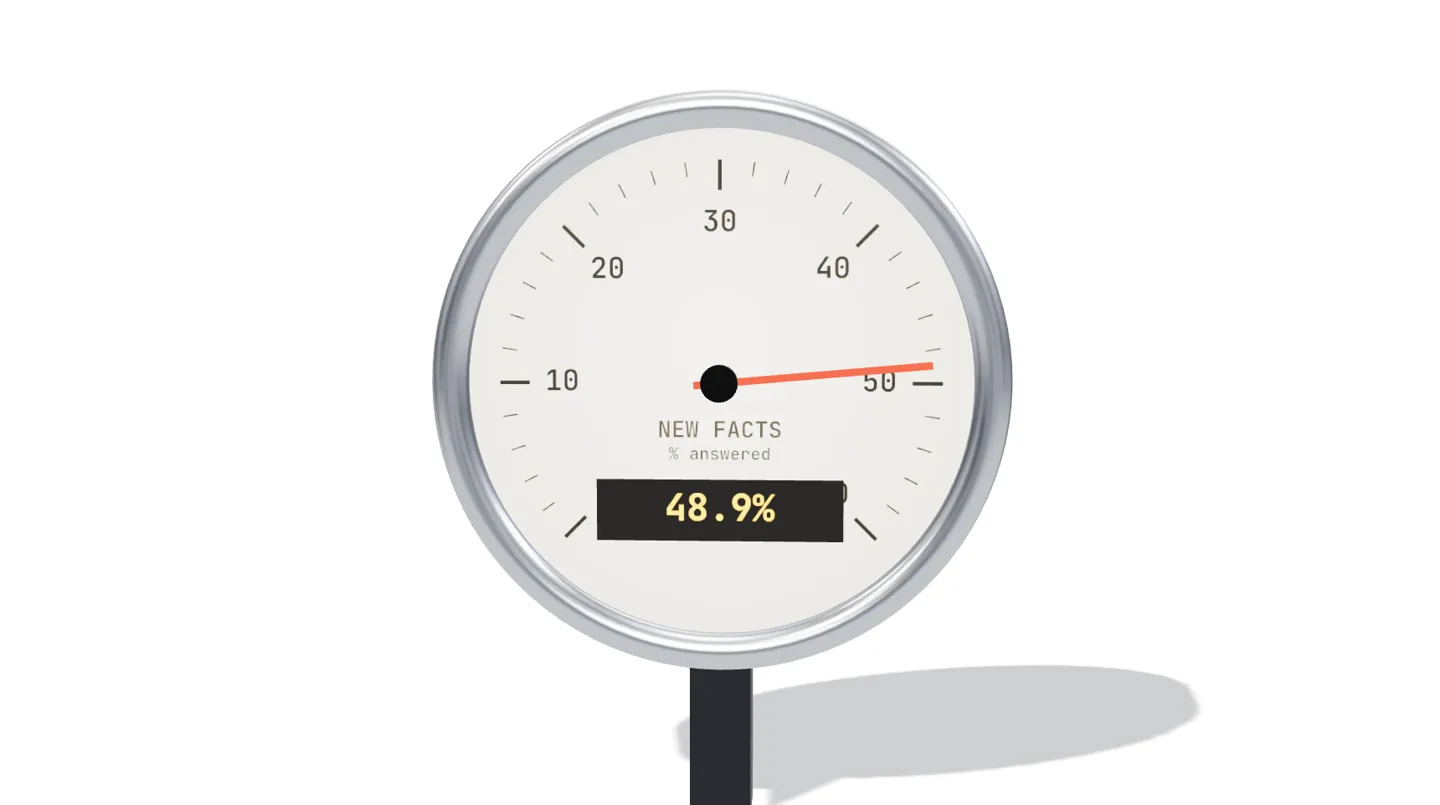
Article scores are the share of questions answered correctly. Translation scores are ChrF, a standard measure of translation quality.
What it doesn't mean
- It's research. The tests used small open models, including Qwen3 (1.7B and 8B parameters) and Llama 3 (3B and 8B). Google's post doesn't announce it in any product.
- The words are borrowed. Google notes that terms like sleep, dreaming and self-improvement come from neuroscience, and that the model works "entirely within a fixed model architecture and human-defined training rules". Its sleep is a training step that runs on a schedule.
Read it yourself
- Google Research blog: The sleep framework: A new way for LLMs to retain knowledge in continual learning (October 27, 2026)
- The paper: Language Models Need Sleep: Learning to Self-Modify and Consolidate Memories (Behrouz, Hashemi, Javanmard, Mirrokni)
- The architecture it builds on: Nested Learning: The Illusion of Deep Learning Architectures (Hope)
Try the trick yourself
The new block in step 1 is a low-rank block, and the dreams are trained with LoRA, short for low-rank adaptation. It's the same technique you can run yourself.
Don't just read about it — run it
Fine-tune Llama 3 8B with LoRA on a cloud GPU, step by step.