
Write the code behind machine learning
63 problems, from your first NumPy array to the attention inside a GPT. Solve each one in your browser, then practice it at full scale in our labs.
The path
Twelve steps in order. Each one builds on the one before.
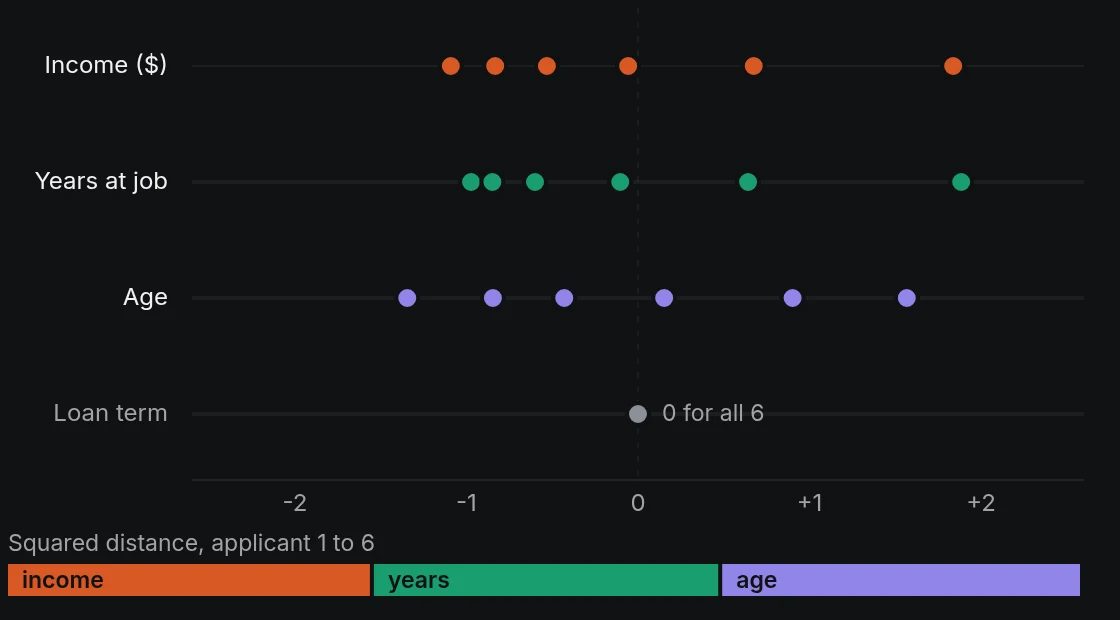
Step 1: NumPy and broadcasting
Arrays, shapes and broadcasting: the language every ML library speaks.
5 problems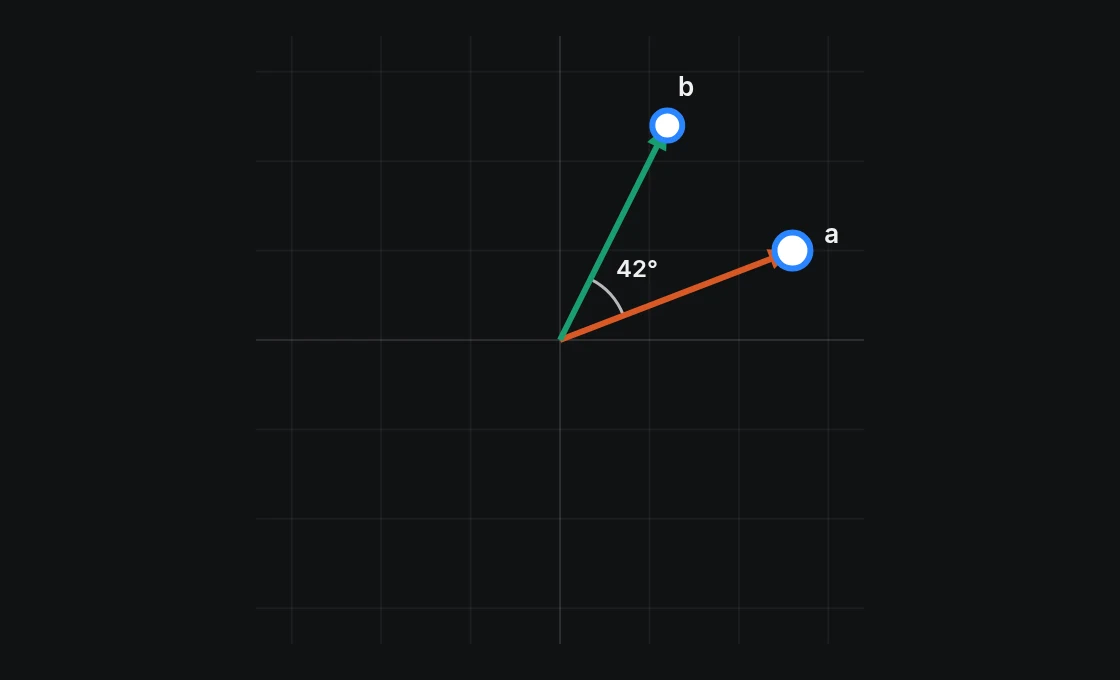
Step 2: Linear algebra for ML
Dot products, projections and least squares, the math under every model.
5 problems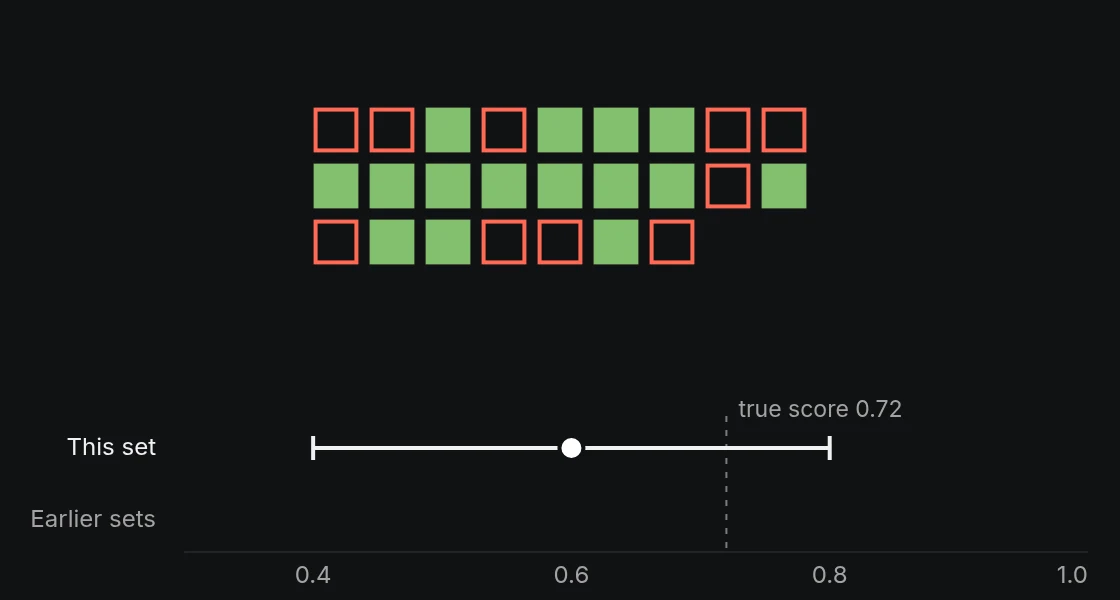
Step 3: Probability and statistics
Expectations, uncertainty and information, computed from the definitions.
5 problems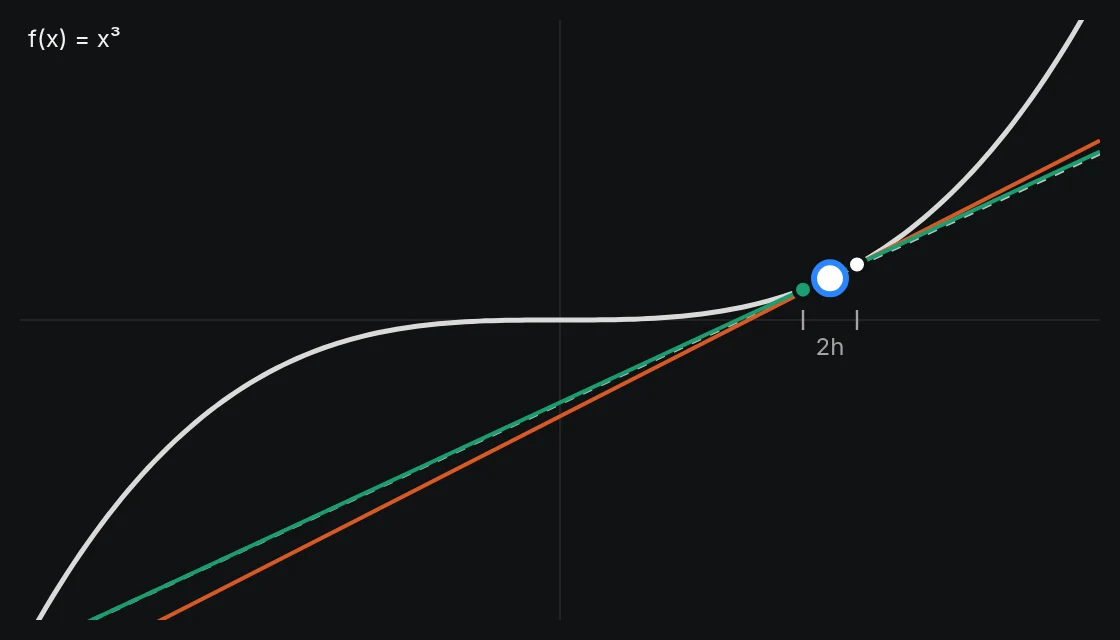
Step 4: Derivatives and gradients
How a change in one number moves the loss: the chain rule, in code.
5 problems
Step 5: Gradient descent
The update rule behind every trained model, and how it goes wrong.
5 problems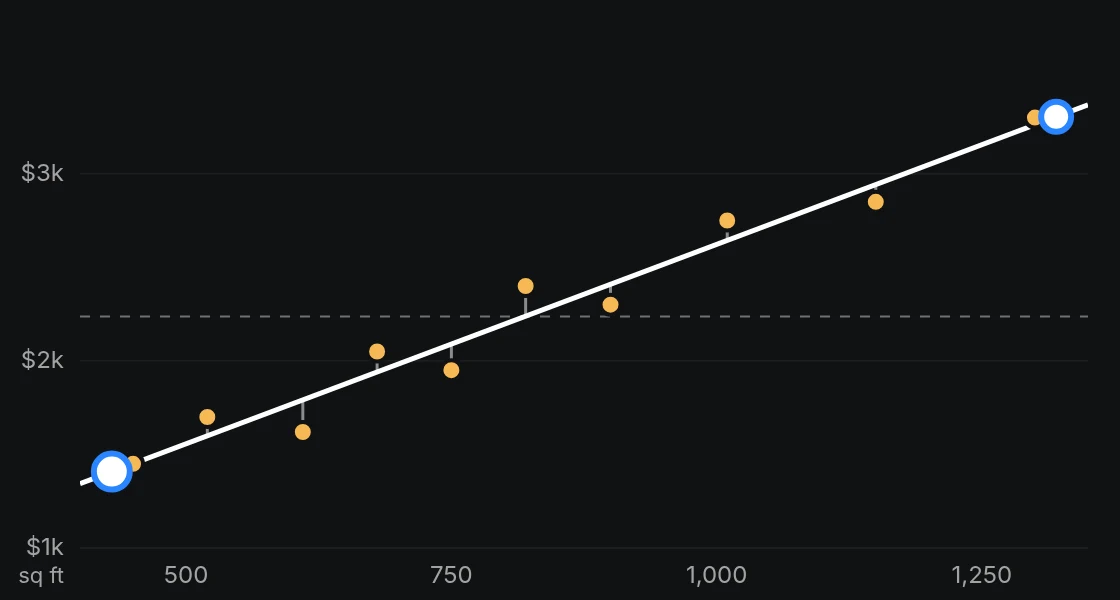
Step 6: Linear and logistic regression
The two models every data scientist ships first, built by hand.
6 problems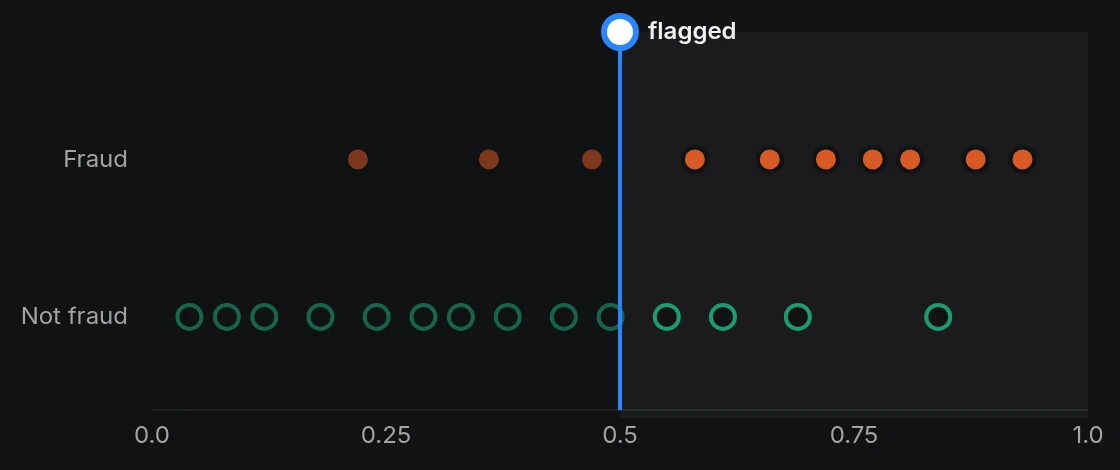
Step 7: Model evaluation
Is the model any good? Metrics, thresholds and honest splits.
6 problems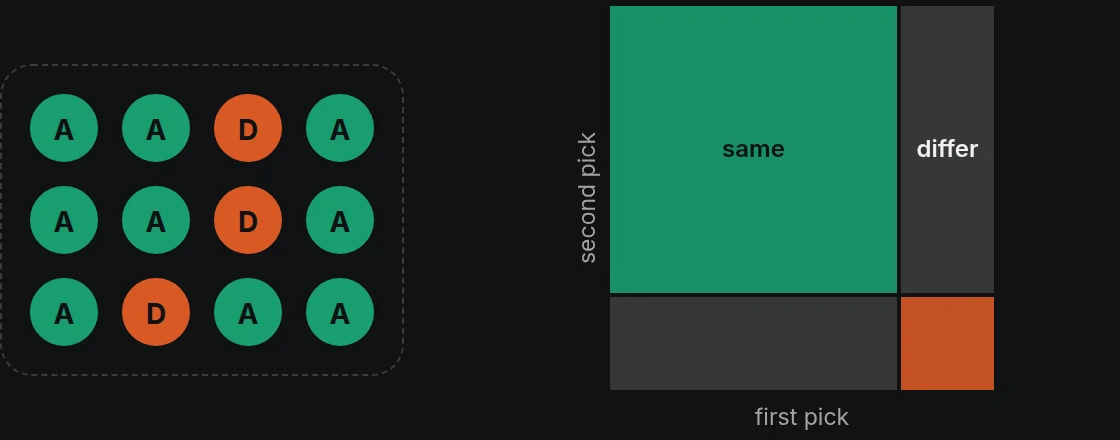
Step 8: Trees and ensembles
Splits, impurity and boosting: how tabular models really work.
5 problems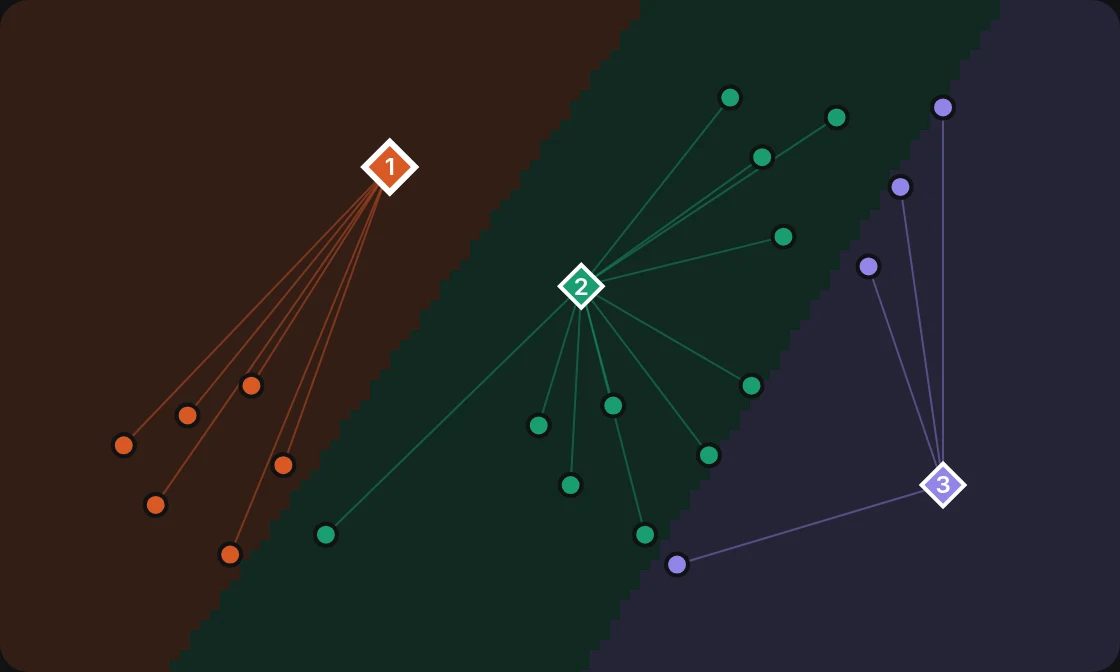
Step 9: Clustering and PCA
Finding structure without labels: k-means and principal components.
4 problems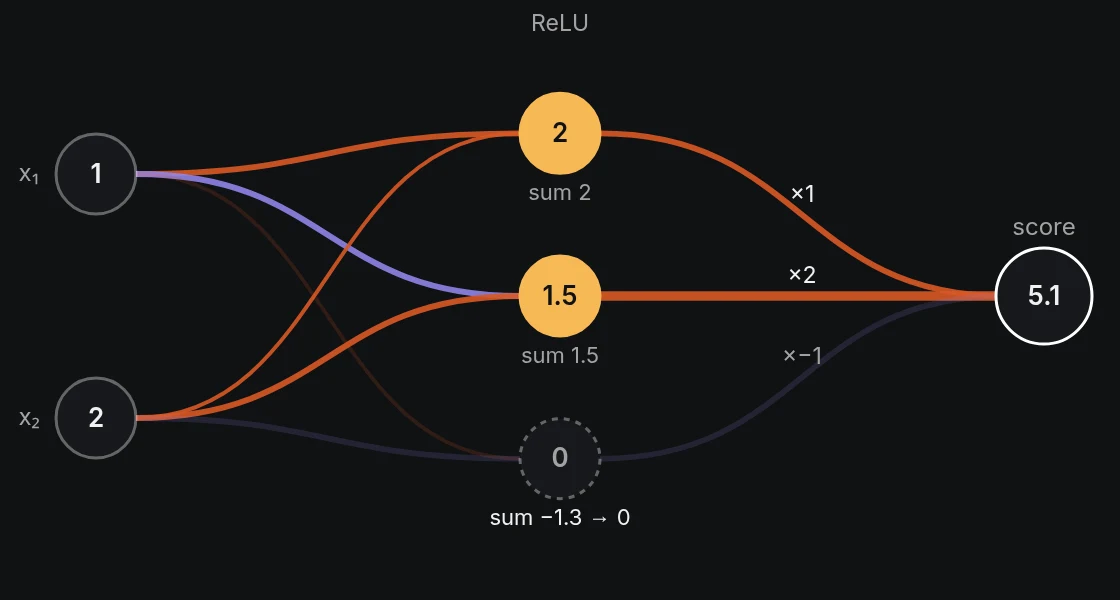
Step 10: Neural networks and backprop
Layers, activations and backpropagation, written out by hand.
6 problems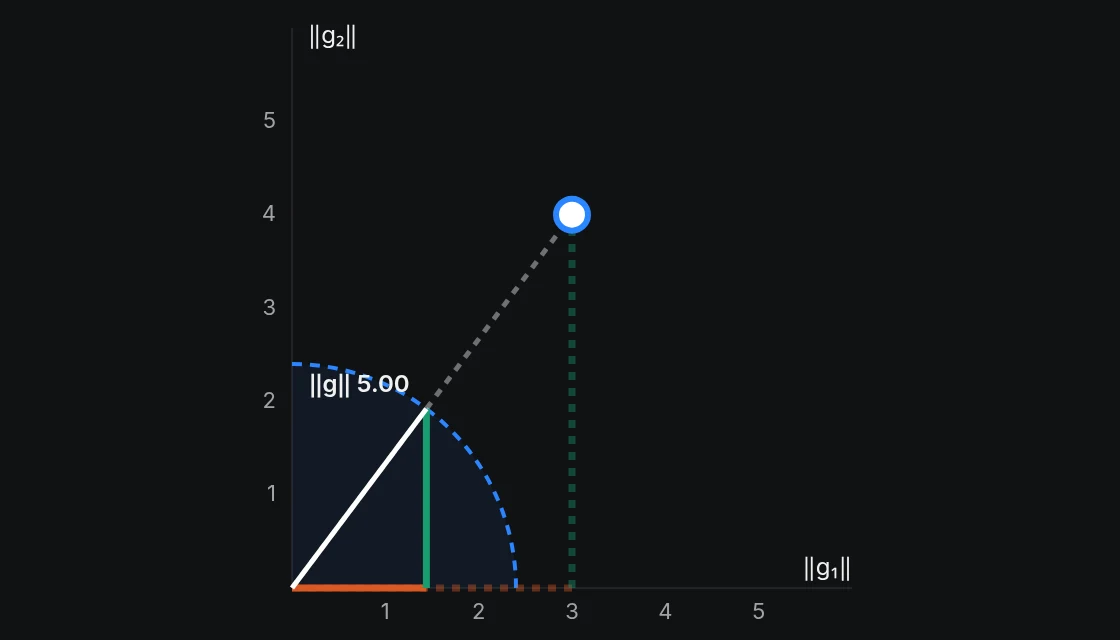
Step 11: Optimizers and normalization
Adam, weight decay, clipping and norms: what keeps training stable.
5 problems
Step 12: Attention and transformers
From attention to a token: the parts of a GPT, one function at a time.
6 problems
Preparing for an AI interview?
Cases at the level of the rounds candidates report at Anthropic, OpenAI and NVIDIA, with worked answers.
Solving is open to everyone. The worked solution to each topic's first problem is free; the others come with Pro, along with the labs.